@qherb
2026-01-27T06:49:45.000000Z
字数 4524
阅读 2
The Precursor Pipeline: A Practical Look at Sourcing L-Dopa
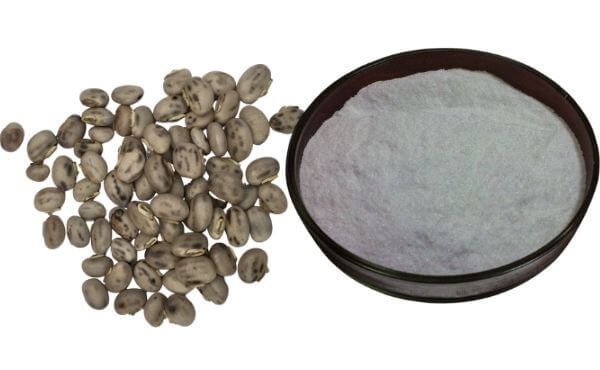
Levodopa (L-dopa) Mucuna pruriens extract
In the world of active pharmaceutical ingredients and high-potency nutraceuticals, few molecules carry the weight—both in biological impact and commercial significance—of Levodopa, or L-dopa. It is the direct metabolic precursor to dopamine, a cornerstone in managing Parkinson's disease, and a sought-after component in certain dietary supplements. For procurement specialists, brand owners, and formulators, engaging with the wholesale supply of L-dopa means navigating a specialized, highly regulated, and technically demanding sector of the chemical industry. This is not a botanical extract story; it is a story of synthesis, scale, and scrupulous verification.
First, a critical distinction must be made. This is not about Mucuna pruriens extract, which contains a percentage of naturally occurring L-dopa. This is about sourcing the isolated, synthetic L-dopa molecule itself, typically as a white to off-white crystalline powder. The conversation shifts from agricultural sourcing to chemical manufacturing. China has emerged as a global hub for the production of such pharmaceutical intermediates and active ingredients, driven by established chemical infrastructure, significant investment in synthesis technology, and economies of scale. For buyers, the landscape is defined by a clear divide: suppliers serving the highly regulated pharmaceutical market and those operating in the less-stringent nutraceutical or bulk chemical space.
The primary factor defining a supplier's position is their adherence to current Good Manufacturing Practices (cGMP). For pharmaceutical-grade L-dopa destined for FDA- or EMA-approved medications, cGMP is not optional; it is the absolute baseline. It governs every single step: the sourcing and qualification of raw starting materials (which are often other synthesized chemicals), the controlled conditions of the multi-step synthesis, the purification processes, the cleaning of equipment, the training of personnel, and, most visibly, the exhaustive documentation. A supplier catering to this market will have their facilities audited and approved by international regulatory bodies. Their entire operation is built around a verifiable chain of custody and a mountain of paperwork for every single batch.
For the nutraceutical or research chemical market, the standards, while still critical, can differ. Suppliers may operate under less stringent GMP guidelines or ISO standards. The molecule is chemically identical, but the assurance around its purity profile, the consistency of its production, and the depth of its traceability are often what separate the two tiers. This is not an indication of lower quality, but a reflection of different market demands and regulatory frameworks. The onus, therefore, falls entirely on the buyer to match the supplier's capability to the product's intended use.
This brings us to the single most important tool in the buyer's arsenal: the Certificate of Analysis (CoA). For synthetic L-dopa, a comprehensive CoA is a non-negotiable starting point. It must detail far more than just an assay value stating 98.5% or 99% purity. It needs a full impurity profile. What are the identities and levels of any related substances or synthesis by-products? Crucially, it must include validated test results for heavy metals and residual solvents used in the manufacturing process. Microbial limits and residue on ignition are standard. A reputable supplier will provide this CoA upfront, and it should be traceable to a specific batch number that matches the physical product.
Beyond the CoA, the nature of the inquiry itself can separate serious buyers from casual shoppers. Technical questions are paramount. Can the supplier provide details on their synthesis route? What is their typical particle size distribution, which can affect formulation? Do they have stability data under various storage conditions? How do they package the material to prevent oxidation and degradation (often under nitrogen atmosphere in foil-lined containers)? Their ability to engage in this technical dialogue is a strong indicator of their expertise.
Finally, there is the fundamental question of compliance and liability. Any supplier should be transparent about the suitability of their material for its intended application. A responsible supplier will ask, "What is your end use?" Misrepresenting a material's grade or supplying a non-pharmaceutical grade for a drug application carries severe legal and safety risks. The most professional relationships are built on this clarity.
Sourcing wholesale L-dopa from China is an exercise in technical procurement. It moves past simple price negotiation into the realms of regulatory understanding, analytical validation, and quality system assessment. It requires recognizing that you are buying not just a powder, but the outcome of a complex chemical process and the quality system that controls it. The attractive pricing that the market can offer is a function of scale and expertise, but realizing that value depends entirely on a buyer's own diligence in selecting a partner whose operational standards align precisely—and transparently—with the demands of the final product.