@qherb
2026-01-27T06:47:04.000000Z
字数 4452
阅读 4
Sourcing the Source: Inside the World of Bulk Mucuna Seed Extract
Mucuna Seed Extract L-dopa Levodopa
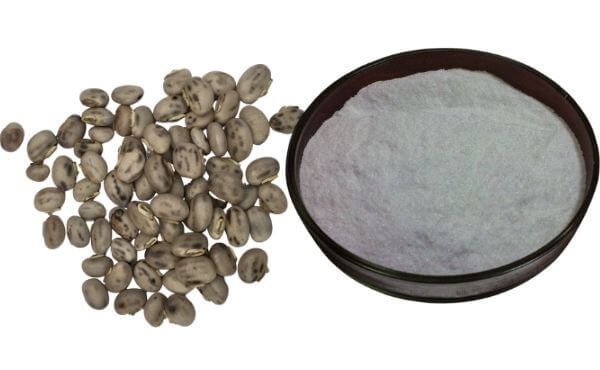
Walk into any dietary supplement manufacturing facility, or browse the inventory of a major wholesaler, and you’ll likely find a distinctive, light brown powder making its way into capsules, blends, and stand-alone products. This is Mucuna seed extract, a botanical ingredient with a long history in traditional systems and a modern presence in global wellness. For brand owners and formulators, understanding its supply chain—particularly its heart in China—is less about chasing a trend and more about navigating a complex, established agricultural and industrial process. This is a look at the practical realities of sourcing this potent legume.
The story begins with the plant itself: Mucuna pruriens, commonly known as velvet bean. It's a vigorous, climbing tropical legume, and while it grows in several regions, China has developed significant cultivation and processing capacity for the commercial extract market. The primary compound of interest is L-Dopa (Levodopa), a direct precursor to the neurotransmitter dopamine. This isn't a subtle, adaptogenic component; it's a potent, biologically active molecule with a specific and powerful function. The entire supply chain, from seed selection to final analysis, revolves around standardizing and delivering this compound consistently and safely.
The stratification of the Chinese supplier market is the first reality a buyer encounters. It’s a spectrum. On one end, there are commodity-focused trading houses. They can often offer the most aggressive price points, sourcing bulk extract from various factories. Their strength is logistics and negotiation, but their oversight of the actual farming and extraction can be limited. Traceability—knowing which farm, under what conditions, the raw seeds came from—can be opaque. On the other end are vertically integrated manufacturers. These companies often control or contract tightly managed cultivation, operate their own extraction facilities, and prioritize in-house quality control. Their conversation is about standardized SOPs (Standard Operating Procedures), GMP (Good Manufacturing Practice) certifications, and batch-to-batch consistency, not just price per kilo.
This leads directly to the most critical document in any transaction: the Certificate of Analysis (CoA). For Mucuna extract, the L-Dopa percentage (commonly 15%, 20%, 30% or higher) is just the starting line. A comprehensive CoA tells the real story. It must include:
Purity & Potency: Confirmation of the stated L-Dopa percentage via validated testing methods like HPLC.
Safety Screenings: Heavy metals (lead, arsenic, cadmium, mercury), microbial limits (total plate count, E. coli, Salmonella), and crucially, pesticide residue analysis. Mucuna is a hardy plant, but responsible cultivation and processing must verify the absence of harmful agrochemicals.
Solvent Residues: Since extraction often uses solvents like ethanol or water, testing for residual solvents is non-negotiable for a clean final product.
A supplier’s willingness to provide a detailed, authentic CoA from an accredited lab, and to do so for every single batch, is the most reliable indicator of professionalism. The question of organic certification adds another layer. Certified organic Mucuna seed extract is available, but it commands a notable premium and requires meticulous verification of certificates from recognized international bodies.
Beyond the paperwork lies the formulation consideration. Mucuna extract is not an easygoing ingredient. Its high L-Dopa content makes it inherently unstable; it can oxidize and degrade if not handled properly. A knowledgeable supplier acts as a technical partner, not just a vendor. They should be able to advise on recommended usage levels, compatible excipients for stabilization, and suitable delivery formats based on their experience. Can they provide stability data? Do they understand the regulatory landscape for L-Dopa-containing supplements in your target market? Their ability to engage on these points separates a true manufacturer from a middleman.
Finally, there’s the matter of expectation management. The narrative around Mucuna in consumer marketing can sometimes venture into the realm of dramatic life enhancement. The sourcing conversation, however, must remain grounded in science and safety. The goal is to secure a high-integrity, consistent, and safe raw material that aligns with your brand's quality standards and compliance needs. It’s about due diligence: auditing suppliers (virtually or in person), verifying their claims, and building a relationship based on transparency.
China’s role in the Mucuna seed extract market is a function of scale, agricultural capability, and industrial specialization. It offers access and efficiency, but it demands vigilance and expertise from the buyer. The process isn’t about finding a magical source; it’s about identifying a competent, reliable partner in a complex supply chain—one who understands that this particular brown powder carries significant responsibility from the field all the way to the finished bottle on the shelf.