@bothbest
2026-02-02T12:55:39.000000Z
字数 8998
阅读 1
Why Furniture Makers Prefer Finger Joint Pine Plywood: Key Benefits Explained
finger joint pine plywood
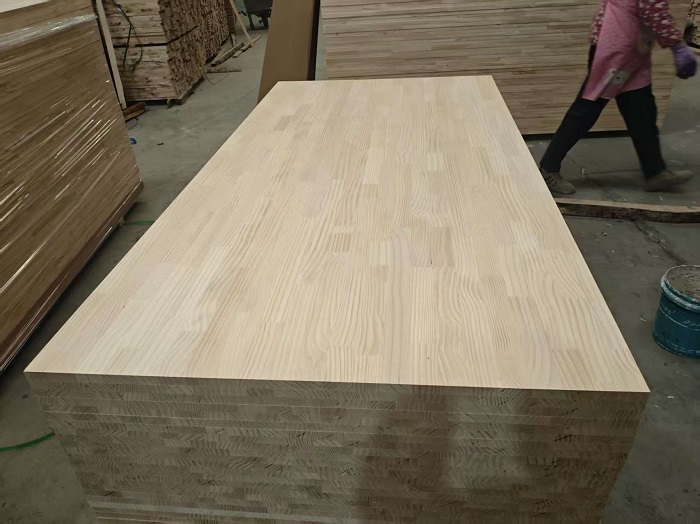
Furniture makers face an ongoing challenge: finding materials that balance beauty, strength, consistency, and cost. Many woods look impressive but are expensive or difficult to work with. Some engineered panels are stable but lack appealing grain or fail under stress. Amid these choices, finger joint pine plywood has emerged as a dependable material that blends practicality with visual appeal in a way that suits a wide range of furniture projects.
Its growing popularity is not a marketing trend but a reflection of how well the material performs in workshops and finished pieces. By combining the advantages of pine with the engineering benefits of finger‑joint and plywood construction, this material offers a blend of reliability and appearance that appeals to professionals who need predictable results.
What Makes Finger Joint Pine Plywood Different
Finger joint pine plywood is composed of two technical layers: a core made from finger‑jointed pine strips and outer layers made from cross‑laminated veneers. Finger joints are created by cutting precise, tooth‑like patterns in the ends of short pine blocks and bonding them with strong adhesives to form longer, continuous strips.
The veneers are applied with alternating grain directions, building a stable, layered panel. This arrangement gives the plywood:
Dimensional stability
Clean surface appearance
Strength in both directions
Efficient use of raw materials
While standard plywood often contains voids, knots, or inconsistent internal layers, finger joint pine plywood is designed to reduce these irregularities. This makes it especially appealing to furniture makers who rely on consistency in every cut.
A More Uniform and Predictable Material
Furniture construction demands precision. Even small differences in density, knots, or grain behavior can cause misalignment, poor adhesion, or visible flaws. One of the standout qualities of finger joint pine plywood is its uniformity across the entire panel.
Clean, Knot‑Reduced Surfaces
Because the pine pieces are selected and joined intentionally, the resulting core contains minimal defects. The surface veneers present an even, pleasing grain pattern that supports both natural finishes and paint.
With fewer knots and voids, furniture makers spend less time filling, patching, or repairing imperfections before assembly.
Consistent Density Across the Panel
Uneven density in a board can cause machinery to leave inconsistent cuts. With its carefully engineered layers, finger joint pine plywood maintains even density from one edge of the sheet to the other. This benefits:
Routing
Sawing
Planing
Sanding
The result is smoother edges, predictable tool behavior, and less material waste.
Reliable Thickness and Flatness
Panels that twist or vary in thickness can make assembly a struggle. Finger joint pine plywood is manufactured to tighter tolerances, keeping panels flat and stable. This helps furniture makers maintain precise joinery without constant adjustment.
Excellent Workability in the Shop
One reason many workshops appreciate this material is how easy it is to handle with both hand tools and machinery.
Smooth Cutting Performance
The absence of voids and irregular internal layers allows saw blades to glide through with fewer splinters or tear‑outs. This matters when producing exposed edges or detailed shapes, such as:
Curved chair components
Decorative trim
Furniture legs
Custom cabinet panels
Strong Screw and Fastener Holding
Furniture construction relies heavily on mechanical fasteners. The finger‑jointed pine core provides excellent screw‑holding capacity compared with particleboard or MDF. Edges hold fasteners securely, which is valuable for items such as:
Bed frames
Shelving units
Desks and tables
Storage furniture
Fasteners grip consistently without stripping, even after repeated adjustments.
Easy Sanding and Finishing
The surface veneers are receptive to sanding and take finishes uniformly. This reduces the time spent smoothing edges or correcting raised grain.
Whether finished with stain, oil, or paint, the outcome tends to be even and smooth due to the material’s balanced pore structure.
Ideal for Painted Furniture
Although many builders appreciate the natural look of pine, finger joint pine plywood shines particularly well when painted. The surface absorbs primer evenly and responds well to spray, roller, or brush applications. Paint tends to level out cleanly, avoiding blotchiness or sheen variations that can occur with less consistent woods.
Finger joints disappear completely under paint, allowing large surfaces like cabinet doors or table tops to look seamless. This makes the material a popular choice for:
Painted built‑ins
Wardrobes
Cabinetry
Entertainment units
Furniture makers who produce clean, modern styles value this smooth painting performance.
Strength and Stability for Long‑Lasting Pieces
Engineered wood products vary widely in stability. Some soften in humid rooms, while others sag under weight. Finger joint pine plywood offers strength and structural resilience that support both light and heavy furniture applications.
Resistance to Warping
Because the panel layers alternate grain direction, the plywood remains dimensionally stable despite humidity changes. This prevents twisting, cupping, or bending—issues that can ruin precision furniture.
Durability Under Load
The core and veneer combination creates strong bending resistance. This is particularly valuable for:
Table tops
Bookshelves
Benches
Workstations
Even long spans remain firm when properly supported.
Strong Internal Bonding
The adhesives used in finger joint manufacturing create high internal bonding strength. The joints do not separate or weaken over time. This supports long‑term durability, even under daily use.
A More Sustainable and Efficient Material Choice
Sustainability matters to many furniture makers, whether for personal values or customer expectations. Finger joint pine plywood uses smaller pine pieces that might otherwise be wasted. Instead of discarding short off‑cuts, manufacturers join them efficiently to create full‑length strips.
The benefits include:
Higher raw material yield
Reduced need for large, old‑growth timber
Lower waste in the manufacturing process
Pine, being a fast‑growing species, replenishes more quickly than many hardwoods. This supports a more responsible use of forest resources.
Many producers also offer certification options relating to responsible forestry or low‑emission adhesives, further supporting environmental preferences.
Weight Advantages Over Other Engineered Panels
Weight is an underrated factor in furniture construction. Heavy materials increase handling difficulty, raise shipping costs, and require stronger structural support. Finger joint pine plywood is notably lighter than MDF or hardwood plywood of the same thickness.
Furniture makers appreciate this in projects such as:
Wall‑mounted units
Large wardrobe panels
Portable furniture
Multi‑tier shelving
Lighter panels reduce fatigue during installation and simplify maneuvering in tight spaces.
Versatile Applications Across Furniture Styles
The material’s balance of appearance and strength makes it suitable for nearly every room. Common uses include:
Home and office desks
Dining tables
Sideboards and consoles
Bed frames and headboards
Coffee tables
Floating shelves
Cabinet carcasses and doors
Interior partitions or dividers
Its reliable construction supports both modern minimalism and more classic or rustic styles, depending on the finish applied.
Cost‑Effectiveness Without Compromising Quality
Furniture makers often work within budgets. Premium hardwood plywoods or solid wood can strain project costs, especially for large pieces. Finger joint pine plywood provides a middle ground—it is more affordable than many hardwood panels while offering better consistency and appearance than lower‑grade plywood.
This cost balance allows workshops to:
Offer competitive pricing
Reduce material waste
Maintain consistent quality across multiple pieces
Increase efficiency during fabrication
For large production runs or custom builds, the savings add up without sacrificing performance.
Strong Adhesion for Joinery and Veneering
Beyond screws and fasteners, joinery relies on glue strength. Finger joint pine plywood forms strong bonds with:
PVA adhesives
Polyurethane glues
Epoxy systems
This allows furniture makers to use diverse joinery methods, from dowels and biscuits to more advanced techniques like dovetail or mortise‑and‑tenon variations when working with edge bands or solid trim.
Some workshops also veneer the surface to simulate high‑end wood species. The stable pine substrate provides an excellent base for these applications.
Reliable Edge Treatment
Edges of plywood can sometimes reveal voids or irregular layers. With finger joint pine plywood, edges are cleaner and more consistent. This makes them easier to:
Sand
Shape
Edge‑band
Paint
Furniture makers can confidently leave certain edges exposed when a natural wood look is desired or apply thin edge banding for a sleek finish.
Strong Performance in Variable Indoor Conditions
Indoor furniture encounters shifts in humidity, heating, cooling systems, and daily use. The engineered structure of finger joint pine plywood helps it maintain shape and strength despite environmental changes.
Panels stay flat, joints remain tight, and surfaces maintain their finish, supporting long‑term reliability in settings such as:
Living rooms
Bedrooms
Kitchens
Studies
Commercial interiors
This makes it attractive to builders seeking predictable performance from one season to the next.
A Material That Supports Efficiency and Craftsmanship
Furniture makers value materials that respect their time and skill. Finger joint pine plywood simplifies many steps:
Cutting and machining
Surface preparation
Painting
Assembly
Finishing
Its consistent structure reduces surprises and helps maintain smooth production flows. At the same time, it supports the craftsmanship needed to create precise, elegant furniture pieces.
Its combination of stability, aesthetic appeal, sustainability, and cost efficiency continues to draw the attention of workshops that aim to build reliable and attractive furniture. Whether for custom projects or wider production, the material provides a dependable foundation for creativity and long‑lasting results.
