@bothbest
2025-12-24T00:46:47.000000Z
字数 8574
阅读 120
The Sustainable Side of Bamboo: Eco‑Conscious Flooring Without Compromise
bamboo flooring
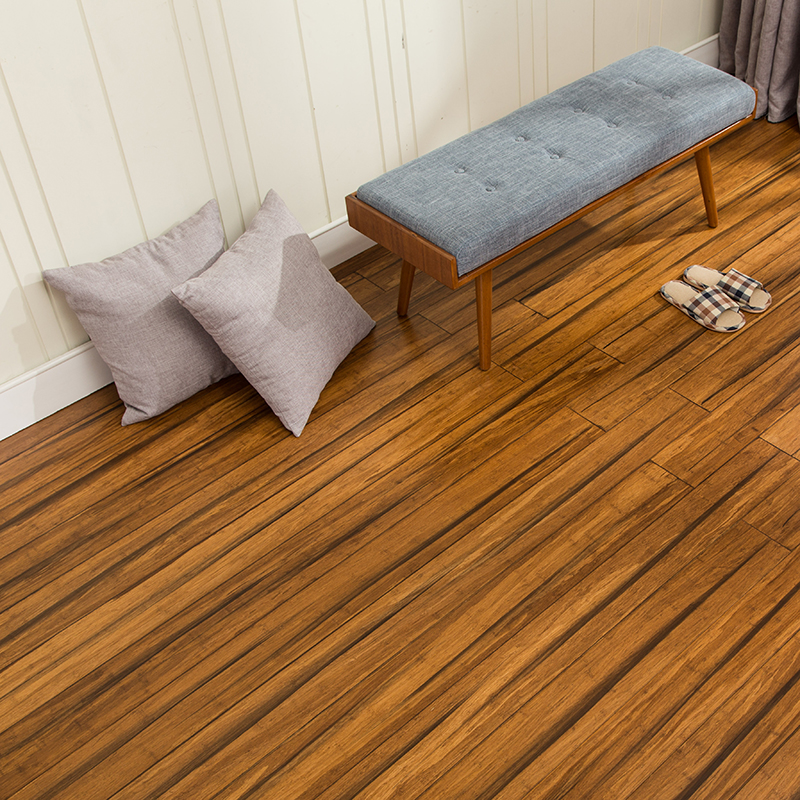
Bamboo has earned a respected place in conversations about environmentally minded building materials, and for good reason. It offers a rare combination of resilience, beauty, and ecological responsibility that appeals to homeowners, designers, and architects alike. Its popularity has grown steadily as more people seek flooring options that don’t trade aesthetics or performance for sustainability. When sourced and manufactured responsibly, bamboo creates warm, durable floors with a lighter environmental footprint than many traditional choices.
This material’s sustainable reputation isn’t based on marketing flair; it’s grounded in biology, agricultural practice, and lifecycle performance. Understanding why bamboo stands apart requires looking at how it grows, how it’s harvested, and how it compares to hardwoods and synthetic surfaces. The appeal also extends beyond its ecological advantages. Bamboo offers visual versatility, structural stability, and installation flexibility that make it a practical choice for a wide range of interiors.
What follows is a deep look at the qualities that help bamboo flooring maintain its eco‑conscious status without asking homeowners to sacrifice longevity or design.
Rapid Regeneration and Responsible Growth
The most celebrated aspect of bamboo is its astonishing growth rate. Many species mature in three to five years, compared to hardwood trees such as oak or maple that may take several decades to reach harvestable size. This quick regrowth allows bamboo groves to be harvested on a continuous cycle without degrading the root system or soil structure. When a culm is cut, new shoots emerge from the existing rhizomes, making replanting unnecessary.
This cycle gives bamboo a regenerative advantage. It reduces the pressure on forests that struggle to keep pace with commercial timber demands. On well‑managed plantations, harvesting also encourages healthier, denser stands. Because the root network stays intact, the soil remains anchored, reducing erosion in sloped or high‑rainfall regions.
Sustainability, though, depends heavily on land management. Reputable bamboo producers adhere to guidelines that prevent overharvesting, maintain biodiversity, and limit chemical inputs. Independent certifications—such as FSC standards applied to bamboo products—provide reassurance that the source material has been cultivated in line with responsible practices.
A Lower Carbon Footprint
Beyond fast renewal, bamboo plays a significant environmental role through carbon sequestration. During its rapid growth stage, it absorbs large amounts of carbon dioxide. Even after harvesting, that carbon stays locked within the flooring planks for the lifespan of the product.
Production footprints vary depending on factors like transportation distance and processing methods, but bamboo generally requires less embodied energy than hardwoods of similar durability. Strand‑woven bamboo, created by compressing bamboo fibers with heat and pressure, uses more intensive manufacturing steps than traditional horizontal or vertical planks. Even so, its overall impact remains favorable when the entire lifecycle is considered, especially when manufacturers use low‑emission adhesives and modern drying techniques.
For homeowners seeking flooring with reduced carbon impact, bamboo often offers a balance between environmental responsibility and everyday practicality.
Strength and Stability Without Trade‑Offs
Sustainability alone wouldn’t be enough to make bamboo a preferred flooring material; it succeeds because it performs well under real‑world demands. Earlier generations of bamboo flooring were softer and more prone to denting, but innovations over the past two decades have reshaped its reputation.
Strand‑woven bamboo ranks among the hardest materials available for residential flooring, frequently outperforming traditional hardwoods on the Janka scale. This resilience makes it suitable for high‑traffic areas such as living rooms and hallways. When properly finished, it resists scratches and surface wear, holding up well in homes with pets or children.
Dimensional stability is another advantage. Bamboo’s uniform grain and engineered options help limit expansion and contraction caused by humidity shifts. That stability makes installation more predictable in a range of climates, particularly in regions prone to seasonal moisture fluctuations.
Homeowners often discover that bamboo floors not only match the durability of hardwoods but also offer a longer lifespan when maintained correctly. Routine sweeping, occasional damp mopping with manufacturer‑approved cleaners, and periodic refinishing can keep bamboo looking fresh for many years.
Aesthetic Versatility for Modern and Classic Spaces
Bamboo’s visual appeal has evolved alongside its manufacturing techniques. Natural bamboo features a light, clean appearance that works beautifully in minimalist and Scandinavian‑inspired interiors. Carbonized bamboo—heat‑treated to deepen its tone—offers warmer caramel and coffee hues that suit traditional or rustic designs.
Strand‑woven bamboo expands the palette even further, accepting stains and finishes that mimic the colors of oak, walnut, or hickory. Its layered, fibrous pattern provides visual depth that many homeowners find distinctive.
This versatility extends to plank size as well. Narrow strips create a refined, linear layout, while wide planks add a spacious feel to open‑concept homes. Matte, semi‑gloss, and textured finishes allow designers to fine‑tune the final look.
For those seeking cohesion across different rooms, bamboo is often available in complementary trim, stair components, and transitional pieces, ensuring that the entire space maintains a unified aesthetic.
Healthy Indoor Living Considerations
Beyond environmental performance, bamboo flooring can contribute to a healthier indoor environment. Many manufacturers now use low‑VOC adhesives and finish systems that meet stringent air‑quality standards. Floors made under these conditions emit fewer chemical compounds over time, which supports better indoor comfort for sensitive occupants.
Because bamboo is naturally smooth and non‑fibrous, it doesn’t trap dust or allergens as carpets can. This quality makes it a practical choice for households concerned with allergen reduction. Regular cleaning removes surface particles easily, helping maintain indoor cleanliness without the need for harsh chemical treatments.
Consumers shopping for bamboo flooring can review product disclosures and certifications that verify emissions levels. Paying attention to these details helps ensure that the ecological benefits extend to the living environment.
Installation Flexibility Across Home Types
Bamboo’s adaptability continues during installation. Depending on the product type, it can be glued down, nailed, floated, or clicked together as a floating floor. This versatility suits a wide range of home structures, from concrete slabs in urban apartments to wood‑framed suburban houses.
Engineered bamboo—with its layered construction—performs especially well over radiant heating systems, resisting the warping that can affect traditional solid hardwoods in similar conditions. Floating installations allow for easier removal or replacement, supporting homeowners who prefer long‑term flexibility.
For DIY enthusiasts, click‑lock bamboo planks offer a straightforward installation path. Those seeking the tightest, most stable fit often turn to professional installers who can optimize acclimation, layout, and subfloor preparation.
Longevity and End‑of‑Life Considerations
When maintained well, bamboo flooring serves homeowners for decades. Its durability helps delay the need for replacement, reducing waste and lowering long‑term environmental impact.
Some bamboo products can be refinished depending on thickness and construction type. Refinishing extends lifespan, revitalizes the surface, and minimizes resource consumption. Even products that cannot be sanded as deeply can often be repaired through localized touch‑ups using matching filler and finish.
At the end of its service life, bamboo has additional environmental promise. It is bio‑based and biodegradable under appropriate conditions. While commercial recycling options vary by region, the material’s organic nature gives it an advantage over petroleum‑derived flooring. Creative reuse—such as crafting furniture, shelving, or decorative elements—also keeps material out of landfills and gives it a second life.
Choosing Sustainable Bamboo Thoughtfully
Not all bamboo flooring offers identical ecological advantages. Several factors should be considered when making an environmentally aware selection:
• Ensure the product comes from responsibly managed plantations.
• Look for third‑party certifications that address harvesting and air‑quality standards.
• Review the type and amount of adhesives used during production.
• Consider transportation distance if local sourcing options are available.
• Evaluate manufacturer transparency regarding lifecycle impact.
These steps help buyers identify products that uphold sustainability goals from growing to manufacturing to installation.
A Balanced, Responsible Choice
Bamboo flooring stands as an example of how natural materials can support both environmental responsibility and long‑term performance. Its fast growth, reduced carbon footprint, and resource efficiency present strong ecological advantages. At the same time, it delivers the durability, beauty, and stability expected from premium flooring.
As interest in environmentally conscious living continues to expand, bamboo remains a compelling option that appeals through both ethics and everyday practicality. Homeowners don’t have to choose between sustainability and quality; bamboo offers a harmonious blend of both.
